Problem
In Zambia, cervical cancer incidence is above 65 cases per 100,000 women, according to a WHO figure cited by Google, and screening coverage is under 33%, the same Google page says.
At most primary clinics, screening means VIA, visual inspection with acetic acid: a midwife applies a weak acid to the cervix and looks for patches that turn white, a possible sign of precancer. It is cheap, but it depends on the eye of the person doing it. A WHO meta-analysis, cited in a 2024 Zambian study, puts its sensitivity at 66%: by eye, VIA finds about two in three precancers.
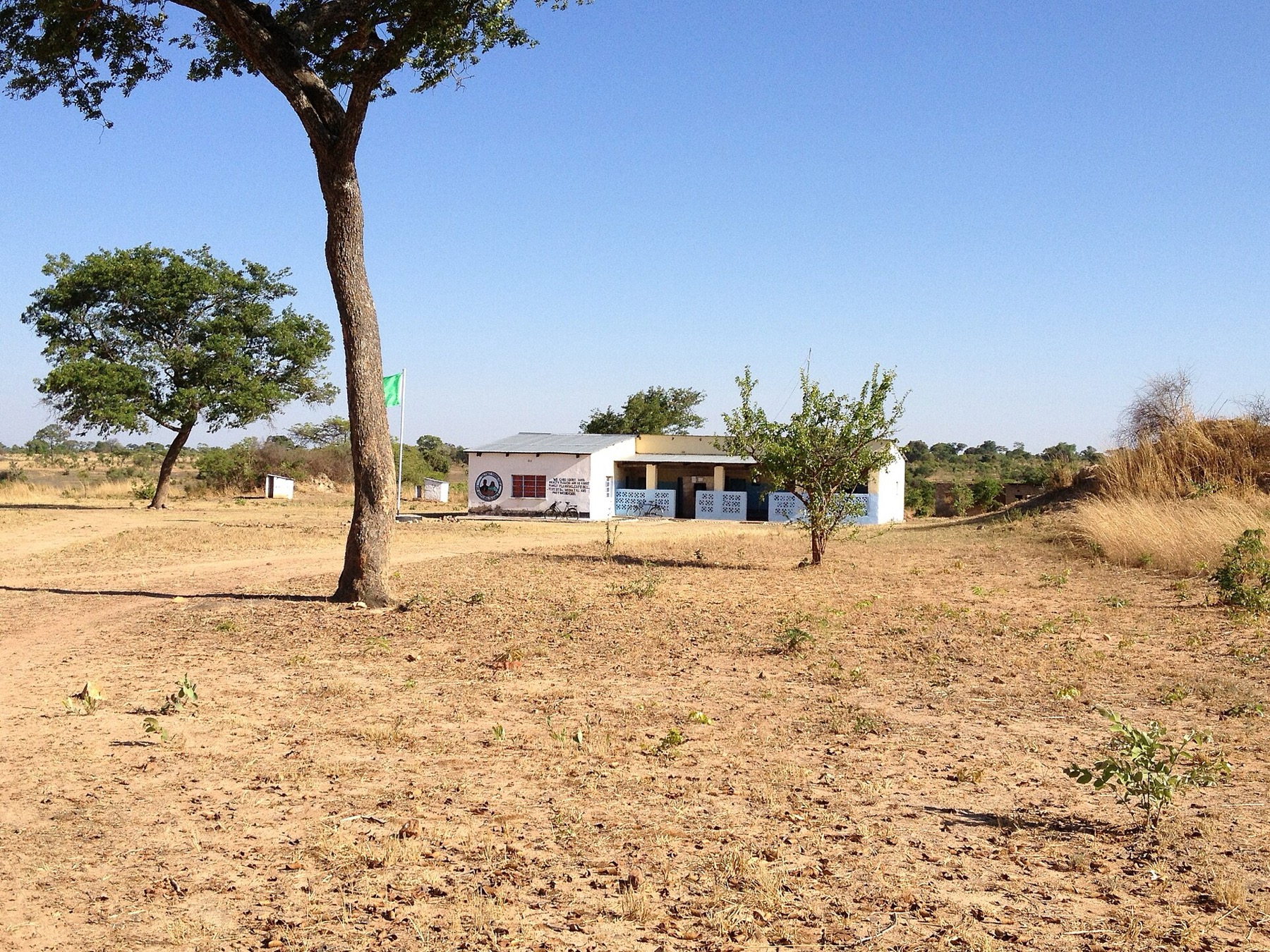
Most of these clinics have no specialist, pathology service or reliable HPV test, so the midwife chooses alone. She can send the woman on to a hospital, or ask her to go home and wait, sometimes for months, for a confirming test. In that wait some women never come back, and some cancers are found late.
AI solution
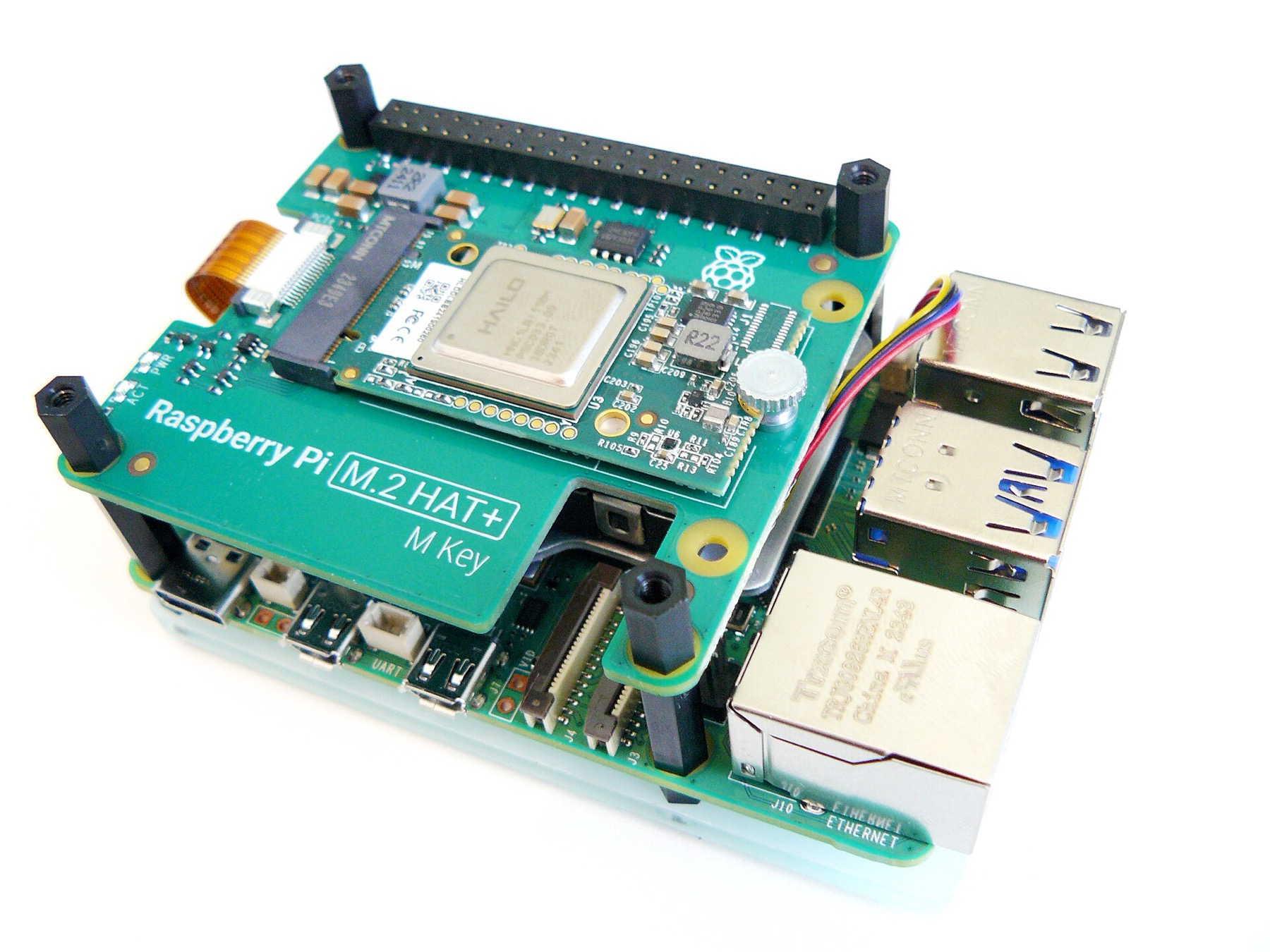
Dawa Health added a cervical screening module to DawaMom, its women’s health platform. During a VIA exam, the midwife photographs the cervix, and the photo goes over local WiFi to a small computer in the clinic (a Raspberry Pi 5 with an AI chip), so the image check and classification need no internet.
A “gatekeeper” model first rejects poor-quality photos and images that are not of a cervix. A classifier then sorts the image into one of five categories of cervical change, in about 50 milliseconds in its fastest mode. Last, a language model (for now Google’s Gemini Flash) drafts next steps that follow WHO and Zambian Ministry of Health protocols. That last step does not yet run fully on the device: Dawa is moving it there with a small version of Google’s MedGemma.
How it works
- 01 Check A gatekeeper model rejects poor-quality photos and images that are not of a cervix.
- 02 Sort A classifier on the in-clinic computer sorts the photo into one of five categories of cervical change.
- 03 Suggest A language model drafts next steps that follow WHO and Zambian Ministry of Health protocols.
The classifier is Dawa’s own. The team built it on MedSigLIP, an open Google model that has already learned from medical images and text, and trained it on more than 5,500 labeled cervical photos.
For the validation and the deployments that follow, Google’s page says, the device shows how likely each category is, but the midwife reviews every case and decides. Any lesion it flags still needs an HPV PCR test, with a biopsy if needed.
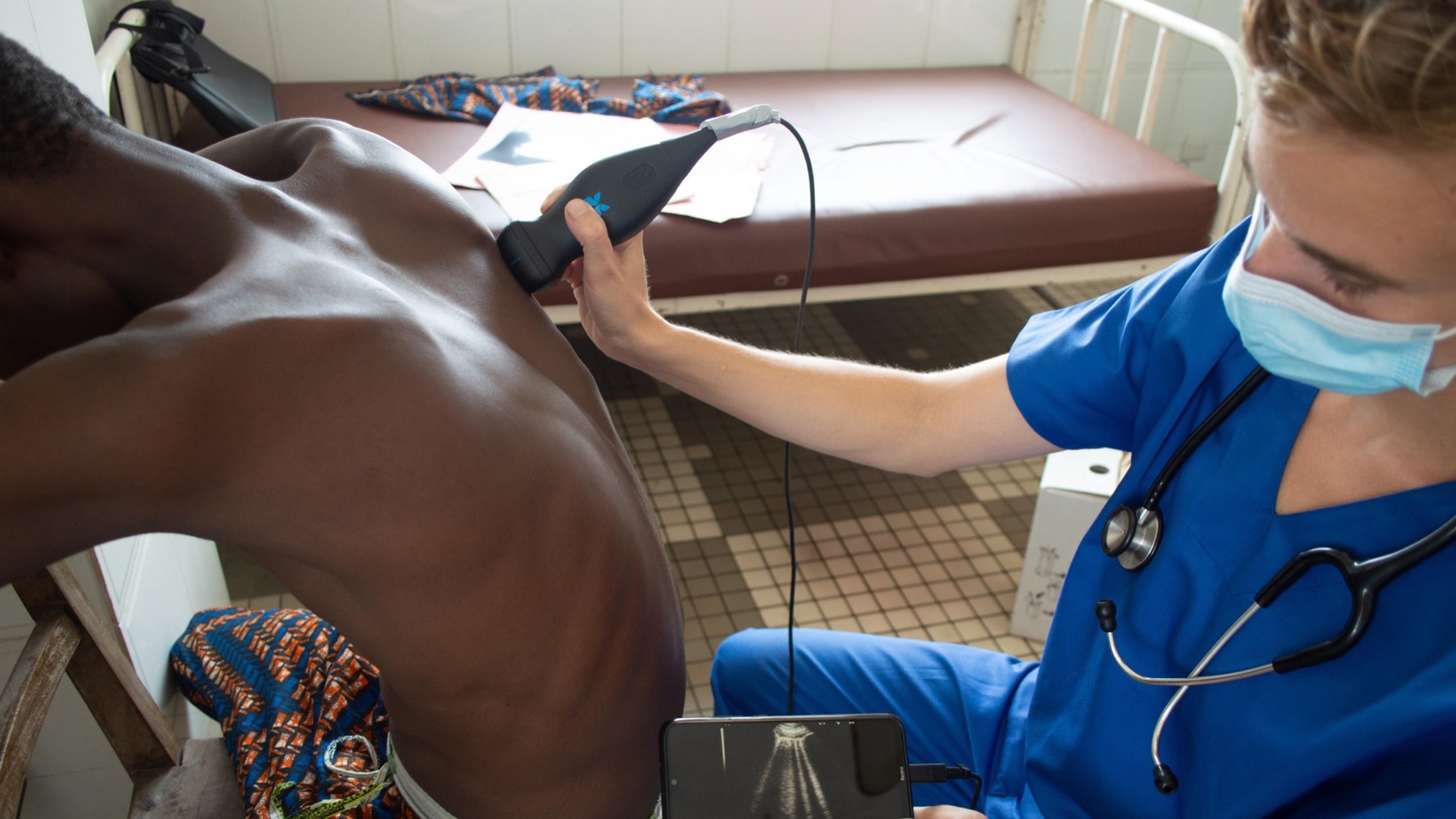
DawaMom also includes a chatbot in seven languages and a pregnancy ultrasound service that Dawa labels “Basic Ultrasound (Non-Diagnostic)”.
Impact
The numbers so far come from Dawa Health, published by Google in September 2026: the device had helped screen more than 3,500 women since late 2025, and Dawa had trained 10 frontline clinicians and 25 community health workers. Dawa’s wider figure, more than 20,000 women supported, covers the whole platform, chatbot included, and is not a count of AI screenings.
No checkable accuracy measure is published yet. Different accuracy figures appear in Dawa’s ITU entry, its Africa Prize profile and its venture profile, none with a sample size or the reference test behind it. We are not reporting them until that data is public.
Such a test is possible in Zambia: a different AI tool, the US National Cancer Institute’s Automated Visual Evaluation, was built and internally validated with smartphone photos from 8,204 women at eight Zambian public health facilities, in a prospective study published in a peer-reviewed journal in 2024. Its authors note that an internal validation can overstate performance.
For DawaMom, that test is planned. According to Google’s September 2026 page, UNFPA Zambia, working with the Ministry of Health, has partnered with Dawa on a prospective validation. A rollout across 78 facilities in Eastern Province, aiming to reach more than 48,000 women, was planned for the second half of 2026 under a Ministry of Health regulatory sandbox, tracking real-world accuracy against confirmed outcomes and how often midwives overrule the AI. Dawa’s ITU entry describes 30 primary care sites in Lusaka and Eastern provinces instead. We found no public source confirming that either has started.
Anthropologist Min’enhle Ncube, whose study of DawaMom users was published in April 2024, before the cervical tool existed, found that smartphones, data and electricity followed income and neighborhood, so access to the app’s AI features was unequal. Some users, especially outside the city, had limited ability to read, and a few took herbal medicines the app’s biomedical model could not account for. “For AI to truly improve healthcare in underserved communities, it must reflect local realities. That means incorporating diverse datasets and traditional practices,” she said, as quoted by the Mail & Guardian.
People
Tafadzwa Munzwa is a medical doctor and an engineer. “So engineering chose me. I’m a medical doctor by training, but I believe using science to solve problems at scale is important, and that’s what drove me into engineering,” he says in a video for the Africa Prize.
In medical school he turned from blood pressure monitoring to maternal health after his cousin had complications in her first pregnancy. He co-founded Dawa Health in Lusaka in 2020 with Takunda Mugwagwa, also a physician; Ncube writes that its vision of AI for maternal care began at BongoHive, a Lusaka startup hub. Software engineer Chungu Chama and business executive Progress Mahureva are also on the team.
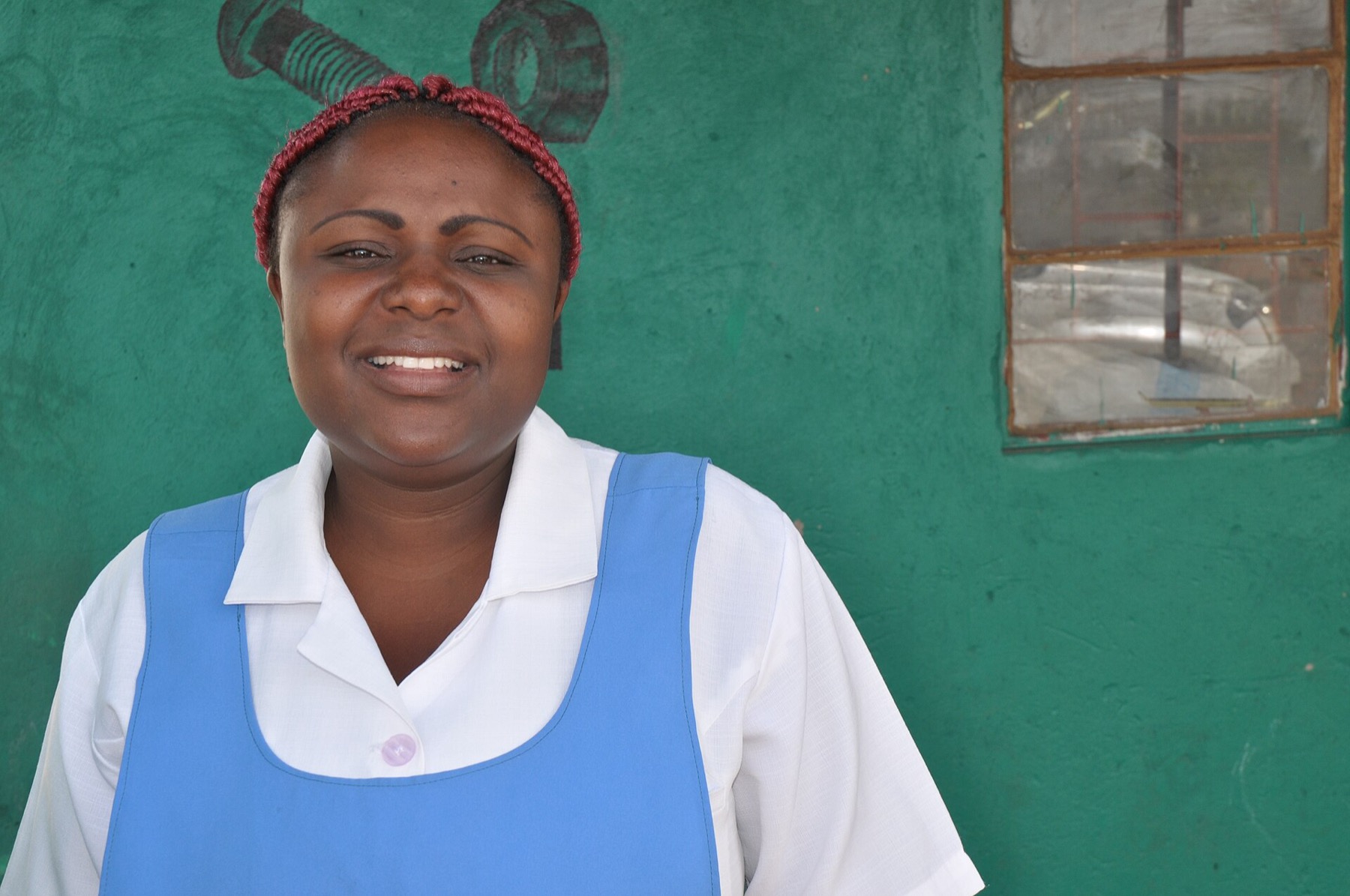
Dawa’s licensed clinical officers, midwives and nurses work in home visits, partner clinics and van clinics; many such health workers in the region are qualified but unemployed, the company notes.
In late 2025 the team won first place and the Audience Choice Award at the Google-sponsored Data Science for Health Ideathon in Africa. In 2026 Munzwa was one of 16 innovators shortlisted for the Royal Academy of Engineering’s Africa Prize for Engineering Innovation (not among the four finalists), and the shortlisted innovators will show their work at the final in Johannesburg on October 28.
“We are transitioning to scale now, and we want the support from the Africa Prize to move us from a nice engineering project to a proper streamlined business that works in the real world.”Tafadzwa Munzwa, in a video for the Africa Prize
Why it matters
Cervical cancer is preventable, and in Zambia’s primary clinics midwives often do the screening alone. A second opinion that works without a specialist or strong internet could help them with a hard call. Whether it does depends on the validation ahead, and on reaching the women with the least access.
What we could not confirm
- The latest public update on the screening tool we found is Google’s page, last updated September 22, 2026. We found no public source showing that the validation has started.
- The 3,500 screenings and the training numbers come from Dawa Health, and we found no independent check of them.
- Sources describe the validation differently: 78 facilities in Eastern Province on Google’s page, 30 sites in Lusaka and Eastern provinces in Dawa’s ITU entry.
- Dawa’s accuracy figures differ from source to source, and none gives a sample size or reference test.
Questions people ask
What is DawaMom's cervical screening tool?
Midwives photograph the cervix during a VIA exam, and a small device in the clinic sorts the photo into one of five categories without needing internet. A language model then suggests next steps (this step is still being moved onto the device). The midwife decides.
How accurate is it?
No accuracy study has been published. A prospective validation with UNFPA Zambia and the Ministry of Health is planned.
How many women has it reached?
More than 3,500 women screened since late 2025, according to the company, in figures published by Google in September 2026.
Who built it?
Dawa Health, founded in Lusaka in 2020 by Dr Tafadzwa Munzwa and Dr Takunda Mugwagwa, on top of Google's open MedSigLIP model.
This story supports
Sources (13)
Google, MedGemma is helping health providers deliver better care, September 23, 2026
Dawa Health website, home and about pages, checked October 25, 2026
Dawa Health, LinkedIn company page (founding year)
Dawa Health, VC4A venture profile (self-reported figures, not used in the text)
ITU, AI for Good Innovate for Impact Interim Report 2026, DawaMom use case (pilot design, stage), pp. 193–198
Fact-checked against sources on October 25, 2026. Spot an error? Tell us.