All goals · Goal 3
Good health and well-being

Accessibility · South Korea
AI helps Korean care staff understand challenging behavior
In Seoul, cameras now keep the behavior logs that care staff once wrote by hand, so specialists can work out what lies behind a person's distress.
Health · Benin, Mali, South Africa
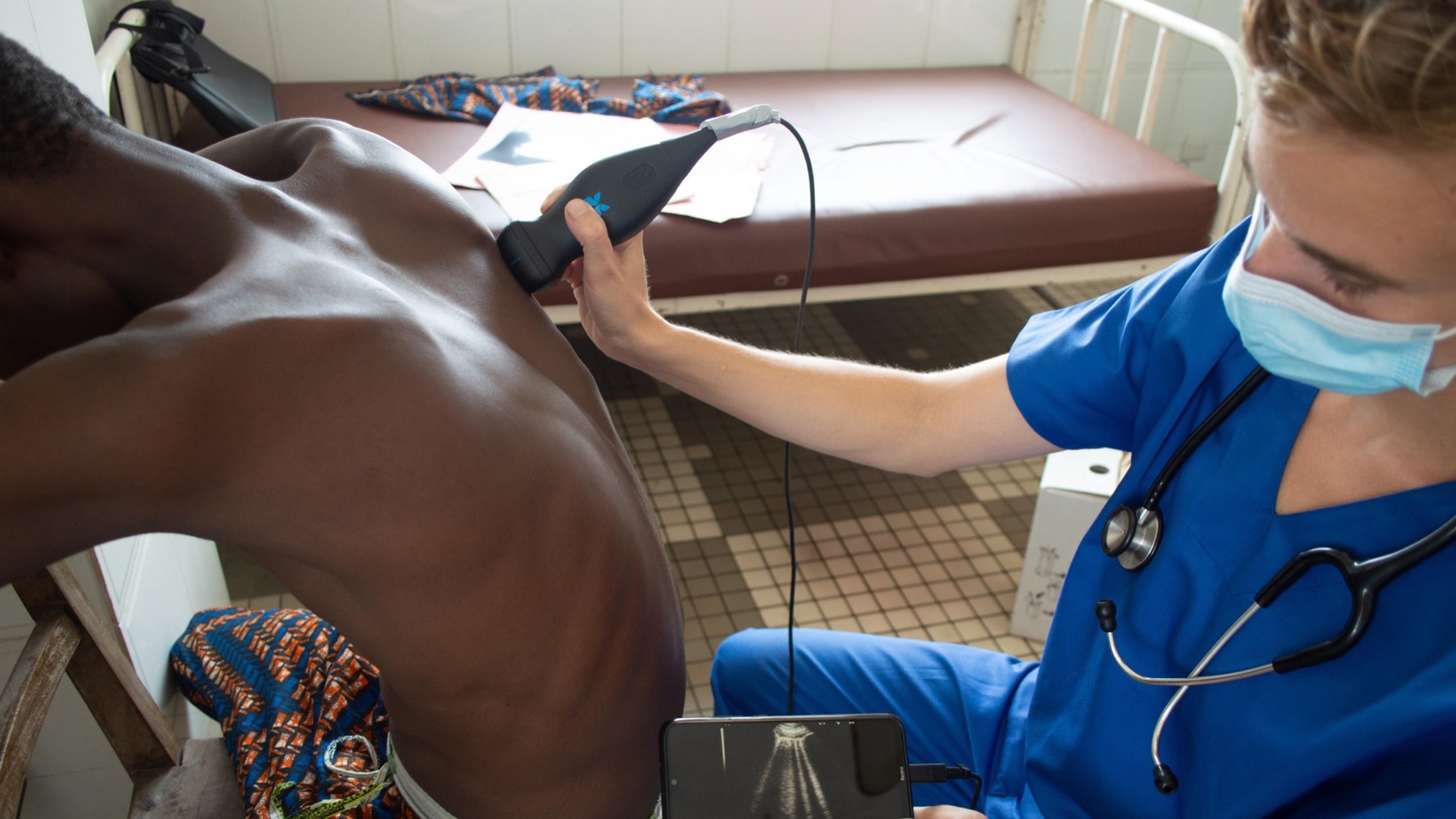
How a team in Benin is testing AI that reads lung scans for tuberculosis
In a hospital study in Cotonou, an AI that reads handheld lung ultrasound caught 82% of TB cases, short of the WHO's 90% target for a triage test. A five-year trial in Benin, Mali and South Africa will show whether it works in local clinics.

Health · Lebanon, Jordan
A WhatsApp chatbot from Beirut helps people find health answers from trusted sources
HIBA answers everyday health questions by text or voice note, in 28 languages, using only curated WHO, IFRC and UNICEF material, and it will not diagnose. It was offered in Lebanon's displacement centers during the 2024 war and is still a small pilot with no independent results.
Health · Zambia
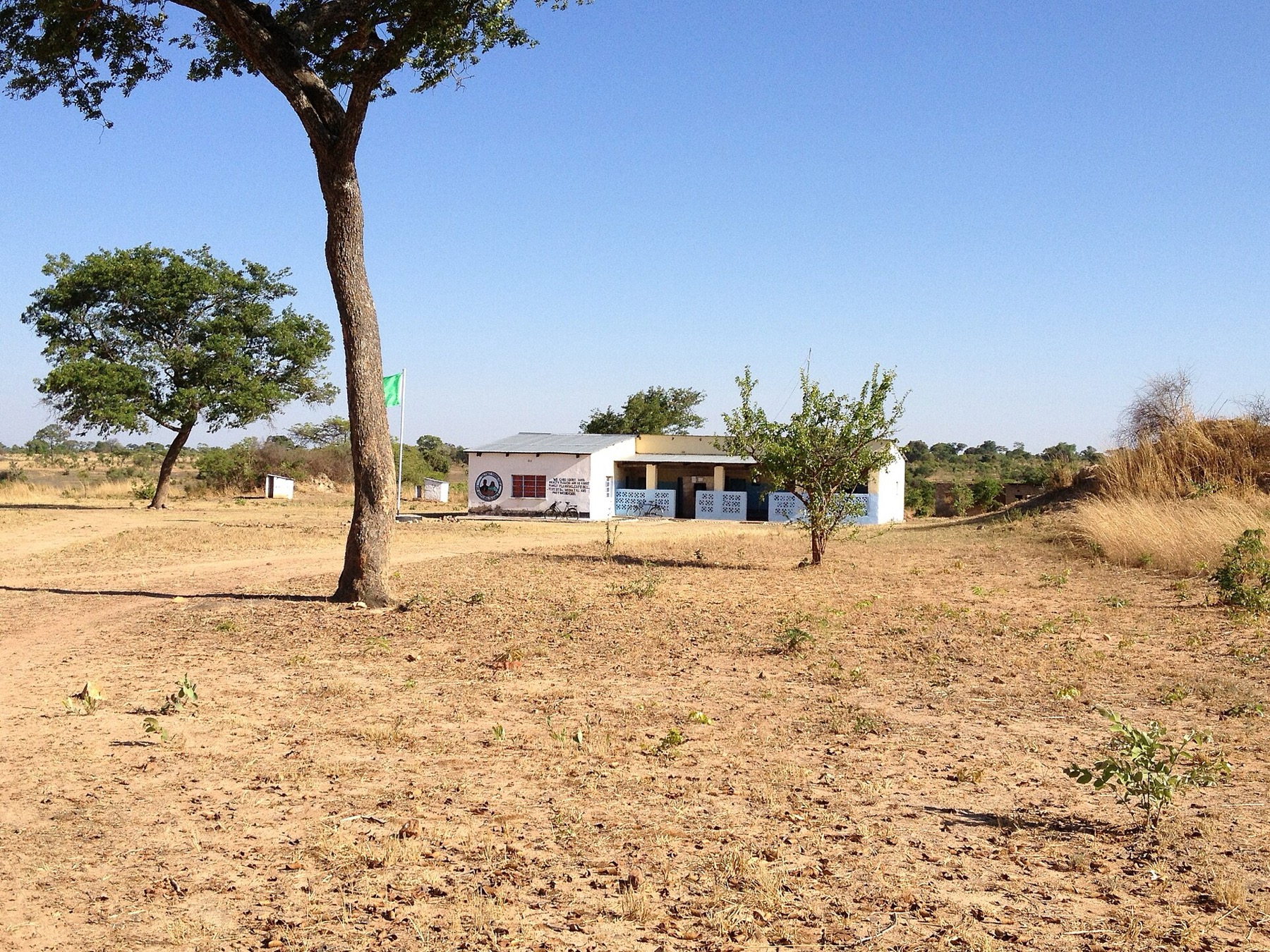
Zambian midwives get an AI second opinion in cervical screening
Dawa Health says its small in-clinic device, which sorts cervical photos without internet, has helped screen more than 3,500 women since late 2025. Accuracy results that outsiders can check are still to come, from a planned validation with UNFPA and Zambia's Ministry of Health.

Public services · Democratic Republic of the Congo
Can AI help spot hate speech on community radio? A pilot in eastern DR Congo
A 2025 pilot recorded and transcribed broadcasts from ten community stations in Goma and Bukavu, flagged possible hate speech for people to check, and answered with radio programs. No results are public yet, and a research phase with ETH Zurich runs to 2027.
Accessibility · United Kingdom
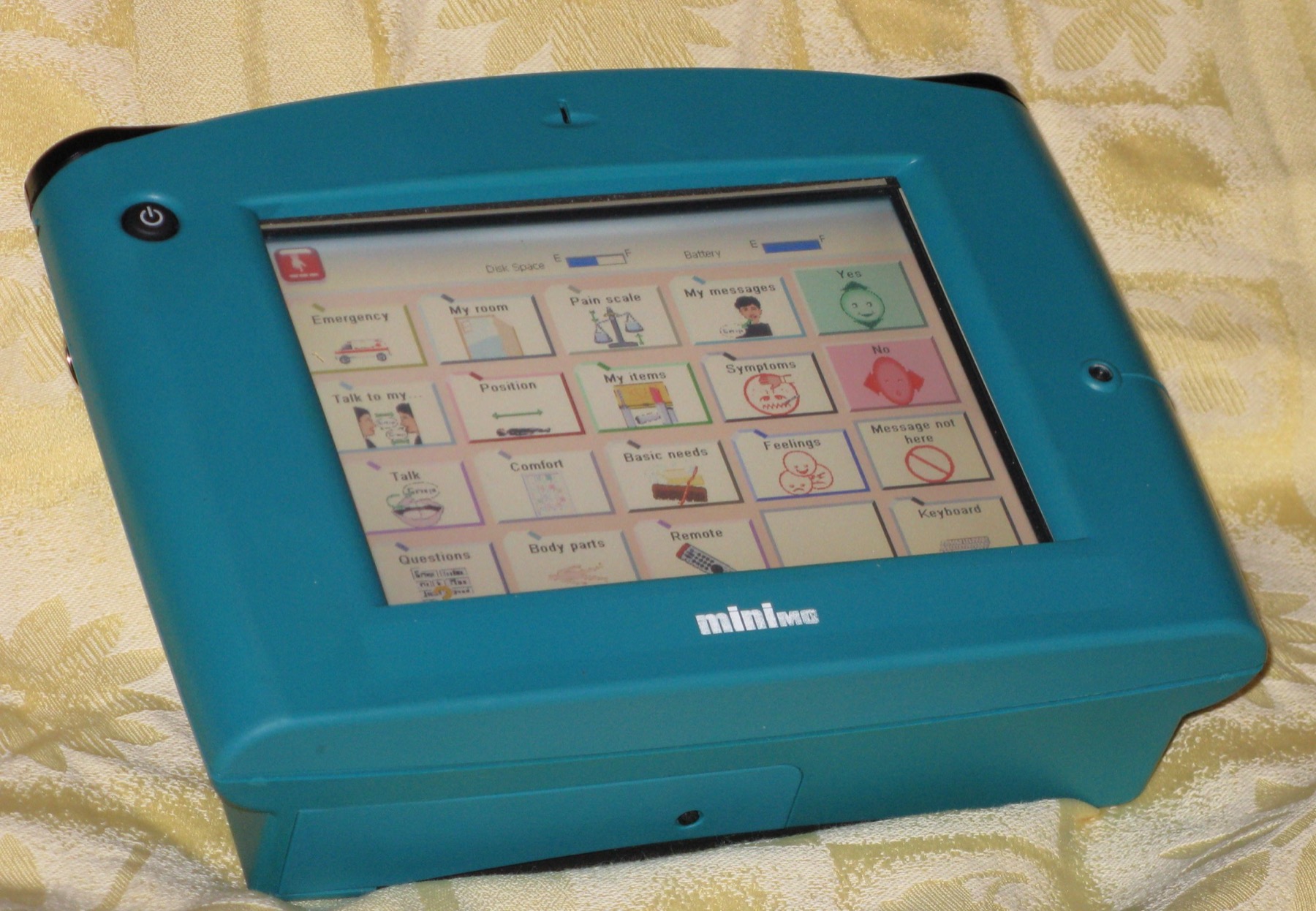
Meet the technologist with ALS who built an AI voice tool with his eyes
Bernard Muller designed SMF VoXAI using only eye tracking. It drafts replies in a conversation and speaks them in the user's own voice through an avatar. It is still a pilot, and no results have been published yet.

Mental health · United States
A student's AI prototype that asks how you feel before it tries to help
Ordinary Days, built by University of Washington master's student Selah Key, is designed to learn a person's stress signals from devices they already own and to check in before it suggests anything. UW says it won an award in Geneva in July 2026. No results from testing it with users have been published.