Problem
When the war began in October 2023, Gaza had 19 universities and colleges with 88,005 students between them, according to a 2026 review paper in the Springer journal Discover Education that drew on Palestinian ministry data. UNESCO uses the same rounded figure: about 88,000 university students.
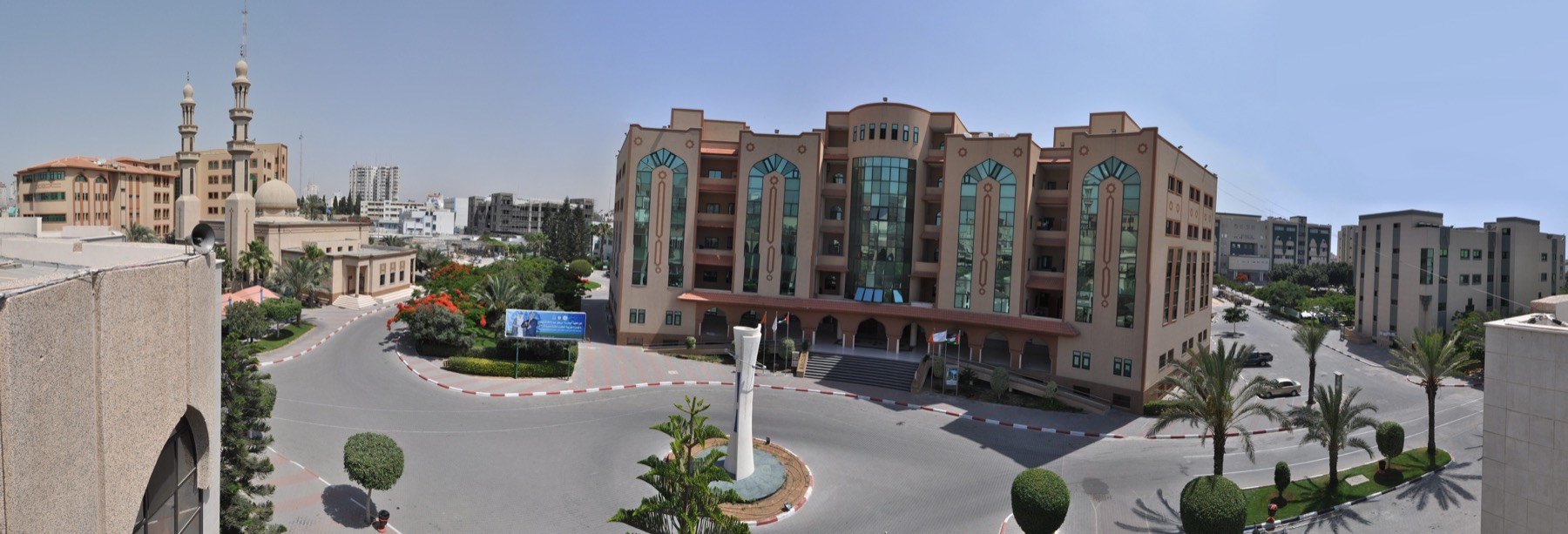
Most of their campuses have since been damaged or destroyed. UNESCO’s on-site assessment, concluded at the end of 2025, found 95% of higher education campuses and all vocational training centers in Gaza damaged or destroyed. A UN commission of inquiry reported in June 2025 that more than 57 university buildings had been completely destroyed and more than 190 academic staff reported killed as of March 25, 2025, according to University World News.
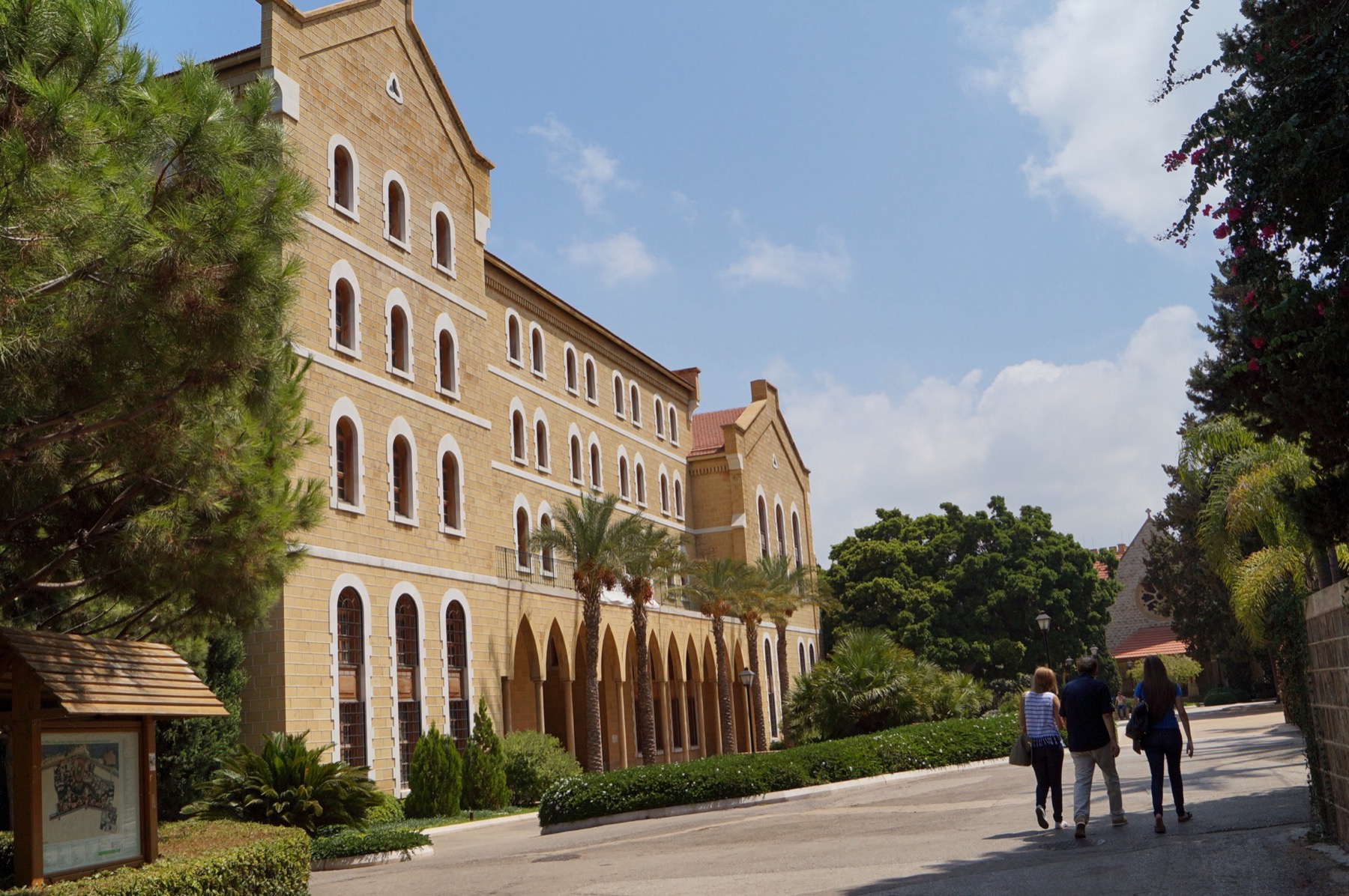
Al-Aqsa University was Gaza’s largest institution, with more than 20,000 students before the war. The review gives 22,290, from ministry data; University World News, citing Middle East Eye, gives 26,000. Its two main campuses, in Gaza City and Khan Younis, were destroyed in February 2024, according to Middle East Eye as cited by University World News.
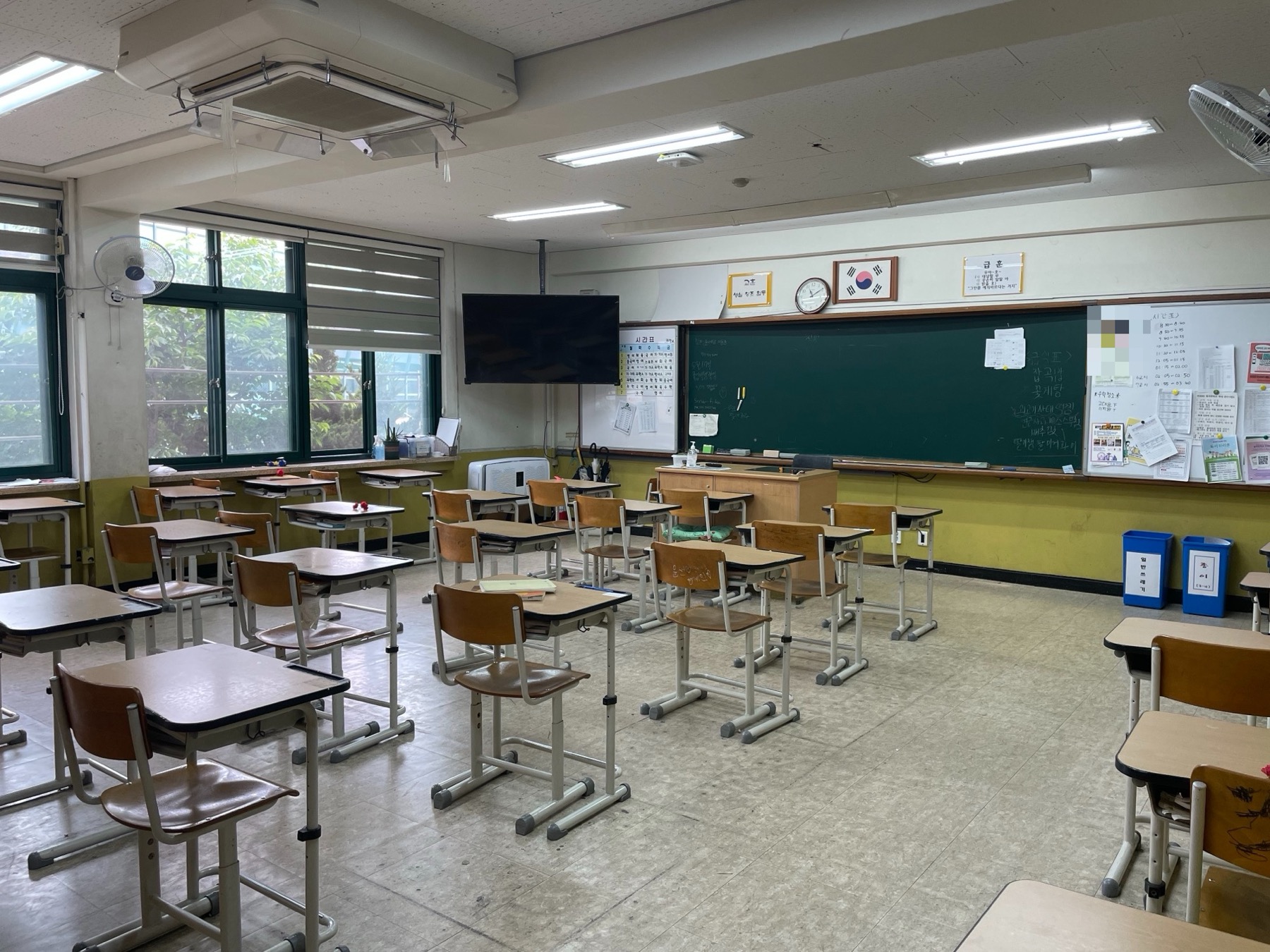
Online classes bring their own obstacles. The Discover Education review names frequent power cuts and poor internet as the most prominent technological challenges for distance learning; even with electricity, the connection is often unstable. In December 2025, The New Arab reported from Gaza that many students joined classes from tents or shelters and shared devices with family members. Lectures were often interrupted by power cuts, and some students recorded them to replay once the electricity came back.
AI solution
In its entry to the ITU’s 2025 AI for Good Innovate for Impact report, Al-Aqsa University described a way to keep learning going without the internet or the power grid.
The plan centers on a small, low-power computer of the Raspberry Pi kind (a cheap, card-sized computer often used by hobbyists) that would act as a local “AI server.” It would store course materials and run AI software on the spot. Students would connect from an ordinary smartphone over local Wi-Fi, with no internet connection needed. A solar panel and battery would keep each hub running through blackouts of 12 hours or more.
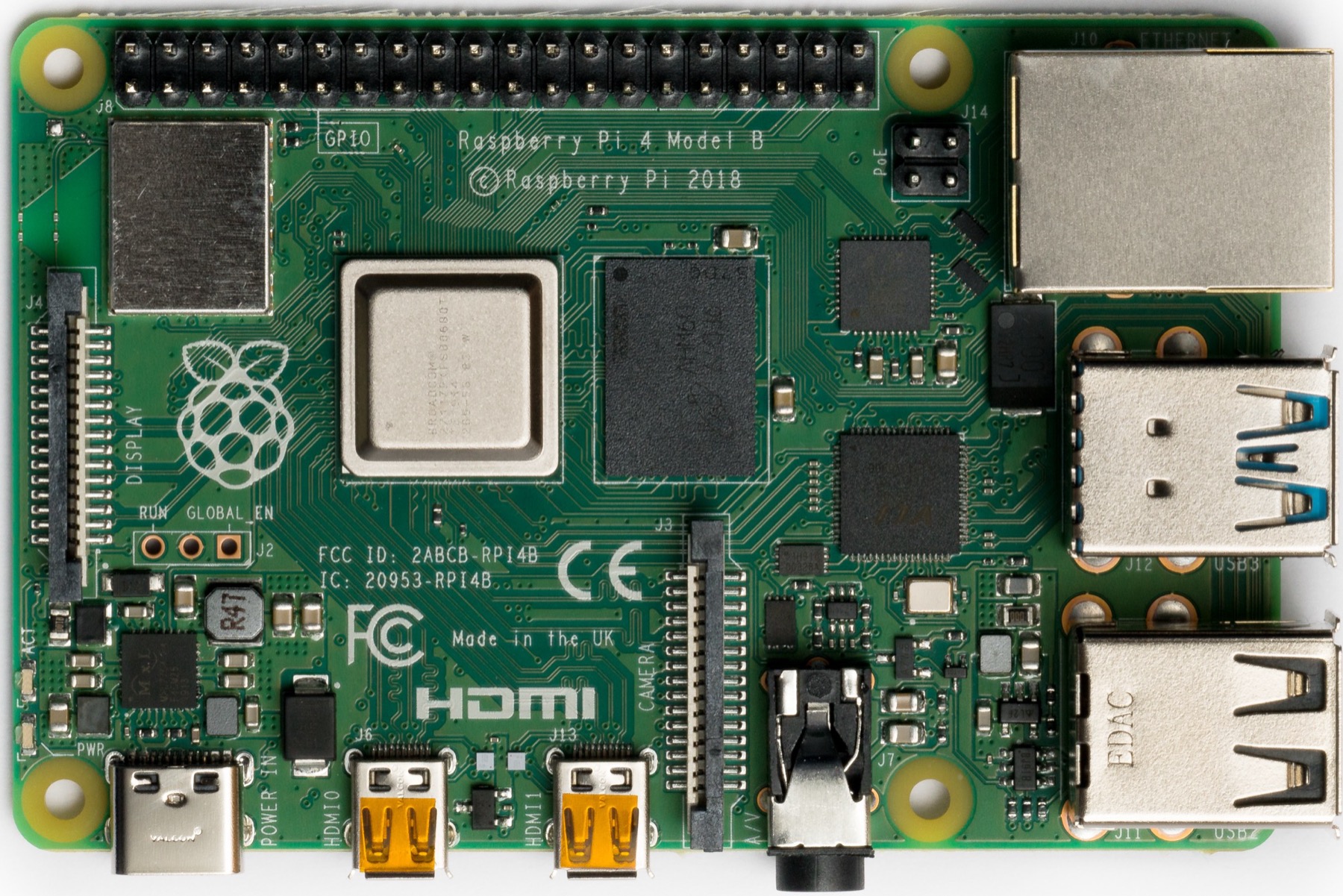
Each hub would run lightweight language-processing models, shrunk to under 200 MB so they fit on the device, as tutors that adapt to each student. Other software would suggest what to study next and grade assignments automatically. Student data would stay on the device. When one hub received new course material, it would pass it to the others over a Wi-Fi mesh, a network in which each hub relays data to its neighbors.
How the proposed hub would work
- 01 Store A solar-powered mini server would hold course materials and run AI software on the spot.
- 02 Connect Students would reach it from an ordinary smartphone over local Wi-Fi, with no internet needed.
- 03 Learn and share An AI tutor would adapt to each student, and hubs would pass new material to each other over a Wi-Fi mesh.
The design is still a proposal. The entry gives its status as “Seeking partners for scale-up,” and much of it reads as a list of requirements and future plans. English would come first, with Arabic planned for a later phase. The entry gives no dates, sites or results for any pilot, and we found no published paper, news report, UN page or partner announcement describing a hub that has been built or used.
Impact
The confirmed progress so far comes from the universities’ own work to keep teaching, and none of it, in the sources we found, involves AI.
Al-Aqsa University resumed teaching through distance learning in June 2024, four months after its campuses were destroyed, its president told University World News. Theory courses are taught online, while lab and practical courses are postponed. He said about 80% of the university’s students were enrolled in distance learning in mid-2025, a figure the university reports itself. In December 2025, The New Arab reported that Al-Aqsa still relied entirely on online teaching. By then, Al-Azhar University and the Islamic University of Gaza had started bringing some students back to class in person.
UNESCO’s support has grown alongside the universities’ own efforts. Through its Gaza Virtual Campus, UNESCO says 20,000 students will be able to resume their studies in a first phase, with a goal of reaching all 88,000. Its temporary learning spaces offer blended learning, digital access and psychosocial support. In May 2026, UNESCO reported that the network had grown from three sites to five and was serving more than 13,000 students. One of them, the Forsa (“Opportunity”) Learning Space in Deir Al Balah, was created with Al-Aqsa University. UNESCO reports these figures for its own program.
For the offline AI hubs, there is nothing to report yet. No source confirms that a hub was built, tested or used, and none of the 2025 and 2026 accounts of the university’s teaching cited here mention them. Whether the project is still active is unclear.
People
The staff and students of Gaza’s universities are the ones keeping them open. In June 2025, the presidents of Al-Aqsa University, Al-Azhar University and the Islamic University of Gaza issued a joint statement to the international higher education community. “The time for symbolic solidarity has passed,” they said. “We now ask for a practical, structured and enduring partnership.”
Professor Ayman Sobh, president of Al-Aqsa University, set out the university’s needs in an email interview with University World News: “The most pressing issues include ensuring reliable electricity and internet access to support e-learning, establishing virtual laboratories for practical subjects, and securing the financial resources needed to pay staff salaries.” The university relies heavily on student fees, he said, which affects what it can pay staff. He asked universities abroad for virtual labs, volunteer lecturers to teach online and scholarships for students.
Lecturers work under the same conditions as their students. “We would return in a second,” one lecturer told The New Arab in December 2025, “but the buildings are gone.”
Research continues too. One Al-Aqsa AI researcher’s staff page lists machine learning, language processing and multi-agent systems among her interests, with education among the applications, and her Google Scholar profile shows 2026 papers and preprints.
Why it matters
Gaza’s universities have kept classes running after most of their campuses were damaged or destroyed, through the work of staff, students and partners such as UNESCO. The offline AI design takes on the hardest remaining barrier, power and internet, and still needs partners to be built and tested. The university’s entry says the approach could later serve other places where conflict or disaster cuts off power and connectivity.
What we could not confirm
- The latest public sign of the offline AI hub is the university’s 2025 ITU entry, which says it is seeking partners. We found no 2026 evidence that a hub has been built or used.
- The entry lists scaling up “pilots” as future work, but gives no details of any pilot.
- The 80% distance-learning figure comes from the university’s president, and the learning-space figures come from UNESCO’s own program.
- Sources give Al-Aqsa’s pre-war enrollment differently: 22,290 in the review paper, 26,000 in University World News citing Middle East Eye.
- The UN commission figures reach us through University World News, not the commission’s own report.
Questions people ask
How many university students are there in Gaza?
About 88,000, according to UNESCO and a 2026 review paper in Discover Education based on Palestinian ministry data.
How much of Gaza's higher education infrastructure has been damaged?
UNESCO's on-site assessment, concluded at the end of 2025, found 95% of higher education campuses damaged or destroyed.
How do university students in Gaza study now?
Mostly online, often with unstable power and internet, and through temporary learning spaces. UNESCO said five such spaces were serving more than 13,000 students in May 2026.
What is Al-Aqsa University's offline AI learning hub?
A design proposed in the university's 2025 ITU AI for Good entry: solar-powered mini servers running course content, an AI tutor and automatic grading without internet, reached by phone over local Wi-Fi.
Is the offline AI hub in use?
Not as far as public sources show. The university's entry says it is seeking partners, and no source confirms that a hub has been built or used.
This story supports
Sources (7)
UNESCO, Sustaining higher education amid crisis: UNESCO's support in Gaza, May 26, 2026
Al-Aqsa University, staff profile of an AI faculty member (research areas)
Google Scholar, publication list of an Al-Aqsa University AI researcher, checked October 25, 2026
Fact-checked against sources on October 25, 2026. Spot an error? Tell us.